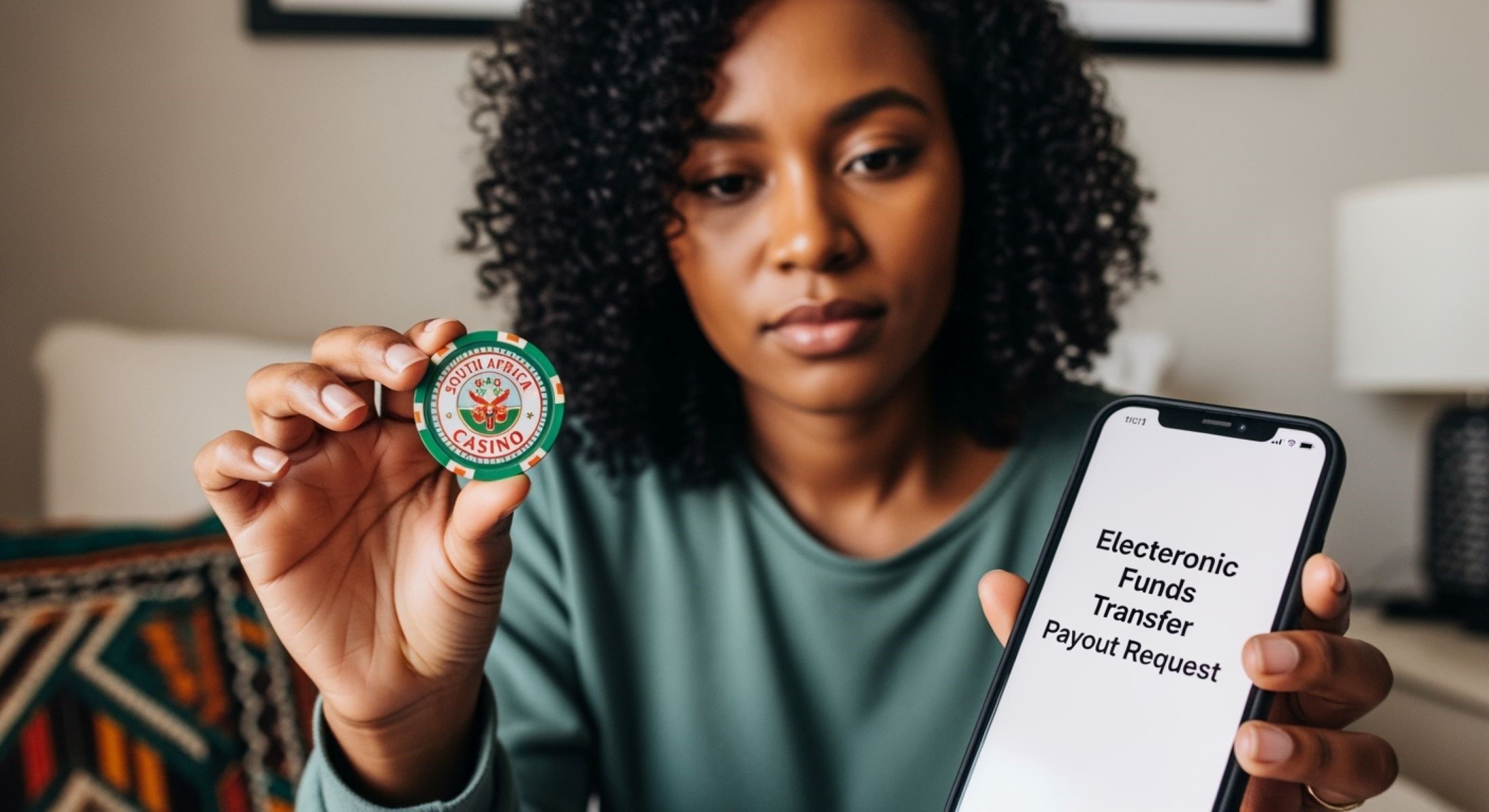
When it comes to online casinos in South Africa, one of the most popular and trusted ways to receive your winnings is through Electronic Funds Transfer, or EFT. But how exactly does this payout method work? How do you request your winnings via EFT, and what should you be mindful of? Don’t worry — I’m here to break it all down for you in a simple, step-by-step way. So, grab your coffee, and let’s dive in!
What is EFT and Why Is It Popular in South African Casinos?
Electronic Funds Transfer, commonly known as EFT, is a digital payment method that allows money to move directly from one bank account to another without the need for any physical exchange of cash. In the context of South African online casinos, EFT has become one of the most widely used and trusted withdrawal methods. It works by electronically transmitting payment instructions from the casino to your bank, ensuring the funds are securely transferred straight into your personal account. This method eliminates the need for intermediaries and offers a reliable way to receive winnings.
One of the main reasons EFT is so popular among South African players is its simplicity. If you’re already using online banking—which most people are—then EFT is a no-brainer. You don’t need to sign up for third-party wallets or mess around with cryptocurrency platforms. All you need are your regular banking details, such as your account number, branch code, and bank name. This makes EFT incredibly convenient for players who want fast, fuss-free access to their winnings without jumping through unnecessary hoops.
Security is another major factor that adds to the appeal of EFT. Banks in South Africa use robust encryption and multiple layers of authentication to ensure that every transaction is safe. Because EFT goes directly from the casino to your bank, the risk of funds being intercepted or delayed by a third-party service is minimal. Players also gain peace of mind knowing that the money is being handled by institutions they already trust with their finances.
Lastly, EFT is widely supported by both local banks and online casinos that cater to the South African market. Whether you’re with Standard Bank, FNB, Nedbank, Absa, or Capitec, chances are your bank fully supports EFT payouts. Similarly, most reputable online casinos operating in South Africa have EFT integrated as a standard withdrawal option. This high level of compatibility ensures that almost every player can benefit from EFT’s convenience and reliability, no matter where they bank or which platform they play on.
Step-by-Step Guide: How to Request a Payout via EFT in South African Casinos
- To begin the withdrawal process via EFT, you first need to verify your casino account. Most online casinos won’t let you withdraw until your identity has been confirmed. This process helps to prevent fraud and ensure that your winnings are paid to the correct person. You will be asked to provide official documentation that proves who you are and where you live. This usually includes a valid South African ID or passport, a recent utility bill or bank statement showing your address, and in some cases, a clear selfie holding your ID for facial verification. This verification might seem like a hassle, but it’s necessary for your security and the casino’s compliance with legal standards.
- Once your verification documents are approved, you can move forward by logging into your casino account and going straight to the banking or cashier section. This is typically labeled as “Withdraw,” “Banking,” or “Cashier.” This section of the site is where you’ll find all the available payment methods. Scroll through the list and find EFT or Electronic Funds Transfer, which is usually clearly listed as a withdrawal option. If EFT is not available, make sure you’ve selected the correct region or check with support to ensure your casino supports bank transfers in South Africa.
- After choosing EFT as your preferred withdrawal method, you’ll be prompted to fill in your banking information. This step is critical, so take your time and enter each detail carefully. The casino will ask for the name of your bank, your personal account number, the branch code associated with your bank account (usually a six-digit number), and the name of the account holder. Keep in mind that the name must match exactly with the name registered on your casino account. Any mismatch may cause a delay or even result in the casino declining the withdrawal request.
- The next step is to specify the amount of money you want to withdraw from your casino balance. Every online casino has its own rules regarding withdrawal limits. In most cases, there will be a minimum withdrawal amount, which is often between R100 and R300. Additionally, there may be daily, weekly, or monthly limits on how much you can withdraw at once. Before you proceed, it’s a good idea to check the casino’s terms and conditions regarding payouts to ensure you’re within the acceptable range. Some casinos also restrict withdrawals if you have active bonus funds that haven’t met wagering requirements.
- After entering your bank details and the amount, double-check everything and submit your withdrawal request. Most casinos will send you a confirmation email or message to notify you that your request has been received. At this stage, the casino begins processing your payout. This can take anywhere from 24 to 72 hours, depending on the speed of their finance department and whether it’s your first withdrawal or a repeat one. Once the casino approves your request, the funds are sent via EFT and then processed by your bank. This final leg of the transfer usually takes 1 to 3 business days. When everything is complete, the money appears in your bank account — ready to spend, save, or reinvest however you choose.
What to Watch Out For When Requesting EFT Payouts
| Factor | What It Is | Why It Matters | Common Issues | What You Should Do |
| Withdrawal Fees | Charges imposed by the casino or your bank for processing EFT transactions | Unexpected fees can reduce your final payout amount | Some casinos charge admin fees; banks may charge for inbound EFTs | Check both the casino’s and your bank’s fee policies before requesting a withdrawal |
| Processing Times | The time it takes for your request to be approved and funds to reach your bank | Longer delays can be frustrating, especially if you need the funds urgently | Delays due to weekends, public holidays, or manual approval processes | Submit withdrawals early in the week and allow up to 5 business days for full transfer |
| Verification Delays | Delays caused by incomplete or pending account verification | If your account isn’t verified, you can’t withdraw | Missing documents, incorrect file formats, mismatched info | Upload ID, proof of address, and make sure your name matches on all documents |
| Currency Issues | Problems when receiving ZAR in a non-ZAR bank account | Conversion rates and fees may eat into your payout | Poor exchange rates, additional currency conversion fees by your bank | Use a local ZAR account for casino transactions whenever possible |
| Daily/Monthly Limits | Restrictions on how much you can withdraw per transaction or over time | You may have to split withdrawals across multiple days if you exceed the limit | Maximum caps per transaction or month; delays in batch processing | Know your casino’s withdrawal limits and plan large payouts in stages if necessary |
EFT Withdrawal Overview for South African Casinos
When it comes to withdrawing your winnings via EFT at South African online casinos, one of the first things to understand is the withdrawal limits. Most casinos will set a minimum withdrawal amount, which typically falls between R100 and R200. This is put in place to streamline the payout process and reduce transaction costs for both the casino and the player. On the other end, the maximum withdrawal limit can vary significantly depending on the platform, but it’s usually around R50,000 per transaction, per day, or per week. Some VIP or high-roller accounts may enjoy higher limits, but for the average player, staying within this cap is standard.
Another crucial detail is the fees associated with EFT withdrawals. While many South African casinos don’t charge for EFT payouts, some might include a small admin fee, especially if you’re withdrawing more frequently or in small amounts. It’s also worth checking with your bank to see if they apply fees for receiving EFT deposits from a third party. Even though EFT is known for being cost-effective, a little due diligence here can prevent your winnings from being chipped away by unexpected deductions.
Processing time is a common concern for players who want fast access to their funds. EFT withdrawals generally take between 24 to 72 hours for the casino to process, followed by 1 to 3 business days for the funds to reflect in your bank account. This timeline can stretch slightly longer during weekends, public holidays, or if there’s a backlog in the casino’s finance department. First-time withdrawals can also take a bit longer due to verification requirements. However, once your details are saved and verified, future withdrawals usually move faster.
Lastly, it’s important to remember that EFT payouts in South African casinos are almost always processed in South African Rand (ZAR). This is a major advantage for local players, as it eliminates currency conversion hassles and foreign exchange fees. To ensure the process is smooth, you’ll need to provide accurate banking information including your account number, bank name, branch code, and verified documents like your ID and a utility bill. Having these ready in advance will save time and minimize the chances of payout issues down the line.
Tips for Smooth EFT Withdrawals in South African Casinos
- Keep Your Bank Details Accurate and Up to Date
One of the most common reasons EFT payouts get delayed is due to incorrect or outdated banking information. A single wrong digit in your account number or branch code can cause the payment to bounce back or be misrouted. Always double-check your bank details before submitting a withdrawal request. If you’ve recently changed banks or updated your account, make sure the new information is reflected in your casino profile. Even if your details haven’t changed, it’s a good idea to review them regularly to catch any mistakes early. - Use Casinos That Are Fully Licensed and Regulated
Not all online casinos are created equal, and when it comes to handling your money, you don’t want to take chances. Licensed casinos are required to follow strict financial and security regulations, including how they process withdrawals. In South Africa, a casino that operates under the oversight of the National Gambling Board (NGB) or other internationally recognized regulators like the Malta Gaming Authority (MGA) or the UK Gambling Commission (UKGC) is more likely to process EFT withdrawals in a timely and secure manner. Always look for licensing information in the casino’s footer or about section before depositing money. - Understand the Casino’s Withdrawal Terms and Bonus Rules
Every online casino has its own rules when it comes to withdrawals, especially if you’ve accepted a bonus. Some bonuses come with wagering requirements — meaning you need to bet a certain amount before you’re allowed to cash out any winnings. If you try to request a payout before meeting these requirements, the casino may reject the request or forfeit your bonus balance. Make sure you fully understand the cashout rules, wagering terms, and bonus limitations. This not only helps avoid delays but also ensures you’re not caught off guard by forfeited funds. - Submit All Verification Documents in Advance
First-time EFT withdrawals usually require identity verification. If you wait until you’ve already submitted a withdrawal request to upload your documents, expect delays. The smart move is to complete your KYC (Know Your Customer) process as soon as you open your account. Upload a clear copy of your ID, a recent utility bill with your address, and any other documents requested by the casino. This ensures that when you’re ready to withdraw, your account is already approved, and the process goes smoothly.
Common Questions About EFT Payouts in South African Casinos
| Question | Answer Summary | Bank Involvement | User Action Required | Notes |
| Can I Use Any Bank for EFT Withdrawals? | Yes, most major South African banks support EFT seamlessly. | Standard Bank, FNB, Absa, Nedbank, Capitec, and others. | Ensure your bank supports EFT and your account is active. | EFT is widely accepted in SA, making it a go-to option. |
| What If My EFT Withdrawal Is Declined? | Usually due to name mismatch, wagering not met, or missing documents. | Bank may reject if details don’t match or documents are outdated. | Contact customer support, verify your details, complete requirements. | Rejections are common but easily resolved with proper checks. |
| Is There a Limit on EFT Withdrawal Amounts? | Yes, casinos may impose daily, weekly, or monthly caps on withdrawals. | Banks rarely impose limits, but casinos do. | Review casino’s banking policy page for withdrawal limits. | VIP players may access higher withdrawal limits. |
| How Long Do EFT Withdrawals Take to Process? | Typically 24–72 hours by the casino + 1–3 business days for bank transfer. | Bank processing varies slightly by institution. | Be patient and avoid withdrawing near weekends or holidays. | Public holidays can extend the waiting time. |
| Do I Need to Submit Documents for EFT Withdrawals? | Yes, casinos require ID, proof of address, and bank account proof before first payout. | Banks may also request identity confirmation. | Upload all required documents clearly and promptly. | Delays often happen due to incomplete or unclear documents. |
Comparing EFT with Other Withdrawal Methods
When it comes to online casino withdrawals in South Africa, players have several options—but EFT (Electronic Funds Transfer) remains one of the most trusted. EFT offers a direct connection between your casino account and your personal bank account. This method appeals to players who prefer simplicity, familiarity, and institutional trust. With EFT, there’s no need to create or manage extra financial platforms like e-wallets or crypto wallets. It’s ideal for players who value clarity and want to keep all gambling transactions in their regular banking history.
However, EFT withdrawals are not the fastest. While most EFT transactions are processed within 1 to 5 business days, they do take longer than e-wallets and cryptocurrency. E-wallets like Skrill and Neteller can deliver funds within minutes or a few hours, making them perfect for players who prioritize speed. Crypto transactions, such as those done via Bitcoin or Ethereum, are also extremely fast, often completing within the same day. Still, unlike EFT, both of these options require account setup and a certain level of digital literacy that not all players are comfortable with.
When it comes to fees, EFT remains highly competitive. Most South African online casinos do not charge extra for EFT withdrawals, and banks usually apply minimal or no fees for incoming transfers. E-wallets may impose service charges or exchange rate fees, especially if the casino operates in a different currency. Cryptocurrencies typically offer low transaction fees, but their real cost comes from price volatility. A Bitcoin’s value might drop during a transfer, potentially reducing your final payout. In this sense, EFT is far more predictable and stable.
Security-wise, EFT is at the top. Since EFTs operate within the South African banking infrastructure, they are governed by strict national regulations, multi-layer encryption protocols, and anti-fraud systems. E-wallets are also secure, especially the leading ones, but they are more frequently targeted by phishing and unauthorized access attempts. Cryptocurrencies, though encrypted and decentralized, lack centralized protection. If you lose access to your wallet, recovery can be impossible. For players who prioritize peace of mind over speed, EFT remains the gold standard in withdrawal methods.